
Tipsoi July 2026
The Future of Workforce Management Is Already Clocking In
A global rebrand, intelligent workforce tools, and expanding international reach set the stage for Tipsoi’s next phase of growth.

A new identity that reflects our global vision
Tipsoi began as an attendance solution built for businesses in Bangladesh. Since then, we have grown into a workforce management platform supporting organizations across more than 11 countries, including the UAE, Mauritius, Malaysia, Turkey, and Pakistan.
Today, more than 1,400 organizations, 238,000 active users, and over 10,000 deployed devices are part of the Tipsoi journey. That growth has changed not only the scale of our business, but also the way we see our future.
On July 5, we introduced a new brand identity at our Dhaka office to reflect how far we have come and where we are heading next. It represents our ambition to build trusted, precise, and scalable workforce technology for businesses around the world.
As Ornob Sikder, Head of Marketing, shared at the unveiling, “A strong brand should grow with the business behind it.” The announcement was covered by more than ten national and technology publications, including The Daily Star, The Financial Express, and Prothom Alo, making the moment even more meaningful for our team.
Down Under and Booming: Tipsoi Goes Live in Australia
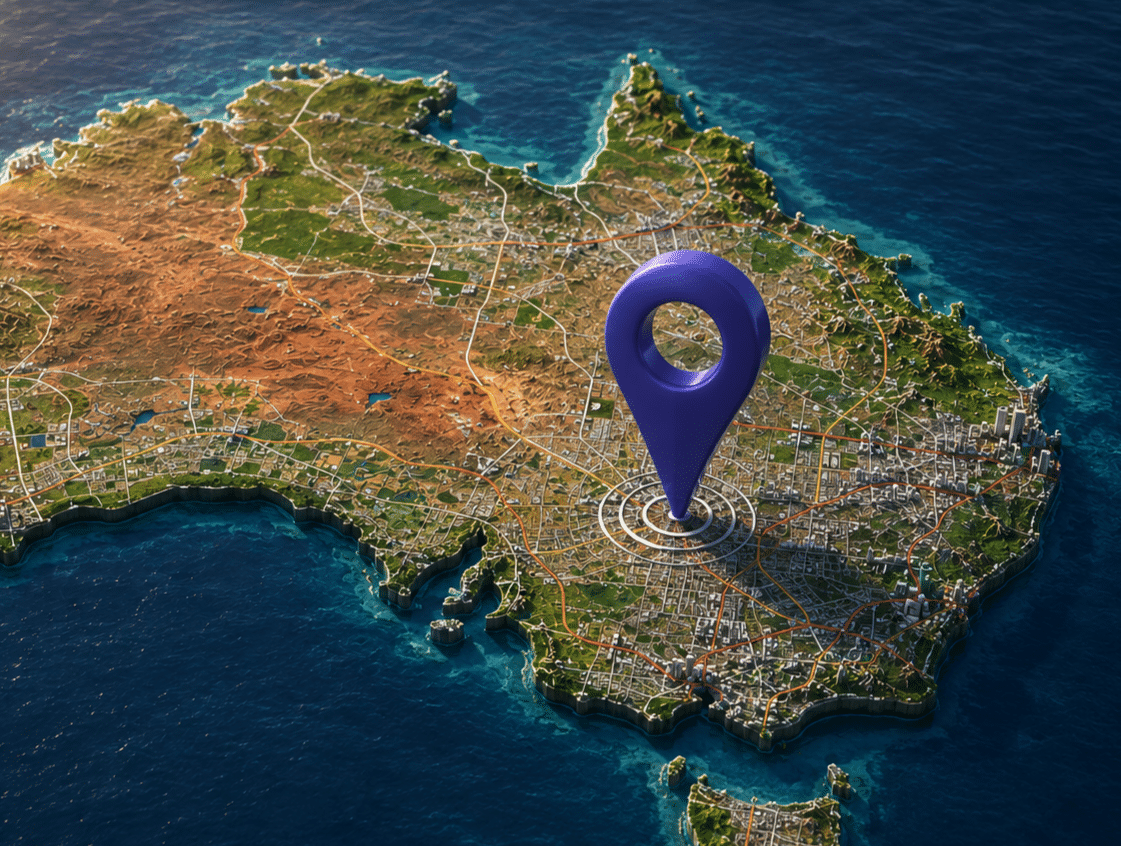
Tipsoi has officially gone live in Australia, marking another important step in its international expansion. CIA Lawyers is now fully onboarded and using the platform, demonstrating Tipsoi’s ability to support professional organisations beyond its established markets.
Building on that momentum, the team is now scoping a new opportunity covering 13 locations and 7 institutions. The development highlights growing demand in Australia for connected workforce management solutions that bring attendance, employee management, and operational visibility into one platform.
Beyond the Clock-In: One Platform, Every Access Point
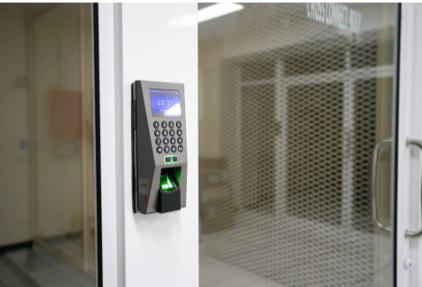
Tipsoi is expanding beyond attendance management into broader access control. One of the newest use cases is elevator and lift access control, which lets businesses manage not just who enters a building, but who can reach specific floors and restricted areas once they’re inside. For customers, that means attendance, door access, and secure entry now run through the same biometric platform instead of being stitched together from separate systems, one login, one device network, one source of truth.
One platform for who's on the clock, who's in the building, and who can reach the 14th floor.
It also widens the range of environments Tipsoi can serve: offices, factories, commercial buildings, multi-tenant properties, and high-security facilities all have a use for controlling floors and zones, not just front doors. It’s a natural next step for a platform built on biometric trust.
Tipsoi Blog
46% of Firms, Zero Systems: Bangladesh's SME Digitization Problem
SMEs are 78% of jobs and 31% of GDP. Only 7% of them use the cloud.
Most small and medium businesses in Bangladesh still run on paper. World Bank data shows only 46% of firms used a computer between 2019 and 2022, and just 7% used cloud software, far behind peers like Vietnam and India. That gap matters: SMEs are 99.92% of economic units, 78% of the workforce, and 31%+ of GDP. The fastest win doesn’t need a full overhaul, it starts with one workflow, usually attendance and payroll.
Twenty KPIs Is a Dashboard. Six Is a Decision.
Track six numbers you can prove before you chase twenty you can't.
Every HR dashboard looks impressive until someone asks how a number was calculated. Most teams fail that test because the attendance data underneath is a paper register or a WhatsApp message. Fix that by narrowing focus to six metrics: turnover, absenteeism, overtime per employee, time to hire, cost per hire, and earned leave liability, each with a clear formula and a legal threshold under Bangladesh’s Labour Act.

Your Fingerprint Scanner Is Already an IoT Device
21.1 billion connected devices worldwide. One might be bolted to your office wall.
Your fingerprint reader, face terminal, and GPS attendance app are already part of the Internet of Things. Each senses a person, timestamps the moment, and syncs to the cloud in seconds instead of days. The upside: live attendance data, far less buddy punching, cleaner payroll. The trade-offs: devices need to buffer through outages, biometric data needs real security, and hardware costs money upfront.
170 Million New Jobs, 92 Million Gone: The Great Workforce Reshuffle
Net gain of 78 million jobs. Small comfort if yours isn't one of them.
The World Economic Forum projects that by 2030, job disruption driven largely by AI and automation will affect 22% of all roles globally, displacing 92 million jobs while creating 170 million new ones, a net gain of 78 million positions. U.S. job postings requiring AI skills grew 144% year-over-year as of early 2026. Roles built around repetitive tracking and manual reporting are most likely to disappear; roles pairing human judgment with automated systems are multiplying.
Industry Trend
The Machines Are Learning Everyone's Face, and the Market Is Booming
A $4 billion industry today. Nearly $12 billion by 2034.
Biometric workforce management isn’t a niche bet anymore, it’s one of the fastest-growing corners of HR technology. The global market was valued at roughly $4.12 billion in 2025 and is projected to reach $11.87 billion by 2034, a 12.8% CAGR. Drivers include faster fingerprint and facial recognition hardware, tightening compliance requirements, and a genuine shift toward mobile biometrics. Analysts also point to pairing biometric attendance with access control and predictive staffing, using AI to forecast who’s needed where before a shift starts.
Meet Your New Coworker: The Autonomous AI Agent
More than half of talent leaders are hiring one in 2026, literally.
AI’s role in HR is shifting from “helpful tool” to “team member.” By 2026, roughly 80% of large enterprises will have deployed AI in HR or workforce planning, up from just 30% in 2022, and over half of talent leaders plan to add autonomous AI agents to their teams. Adoption is uneven though: nearly half of HR teams use AI in recruitment, but fewer than 15% apply it elsewhere. Top performers report AI ROI north of 55%; others see as little as 5%.